Google Health Connect: Migrating from Google Fit
Complete migration guide from Google Fit to Health Connect. Understand the timeline, API differences, and what changes you need to make in your Android health app.
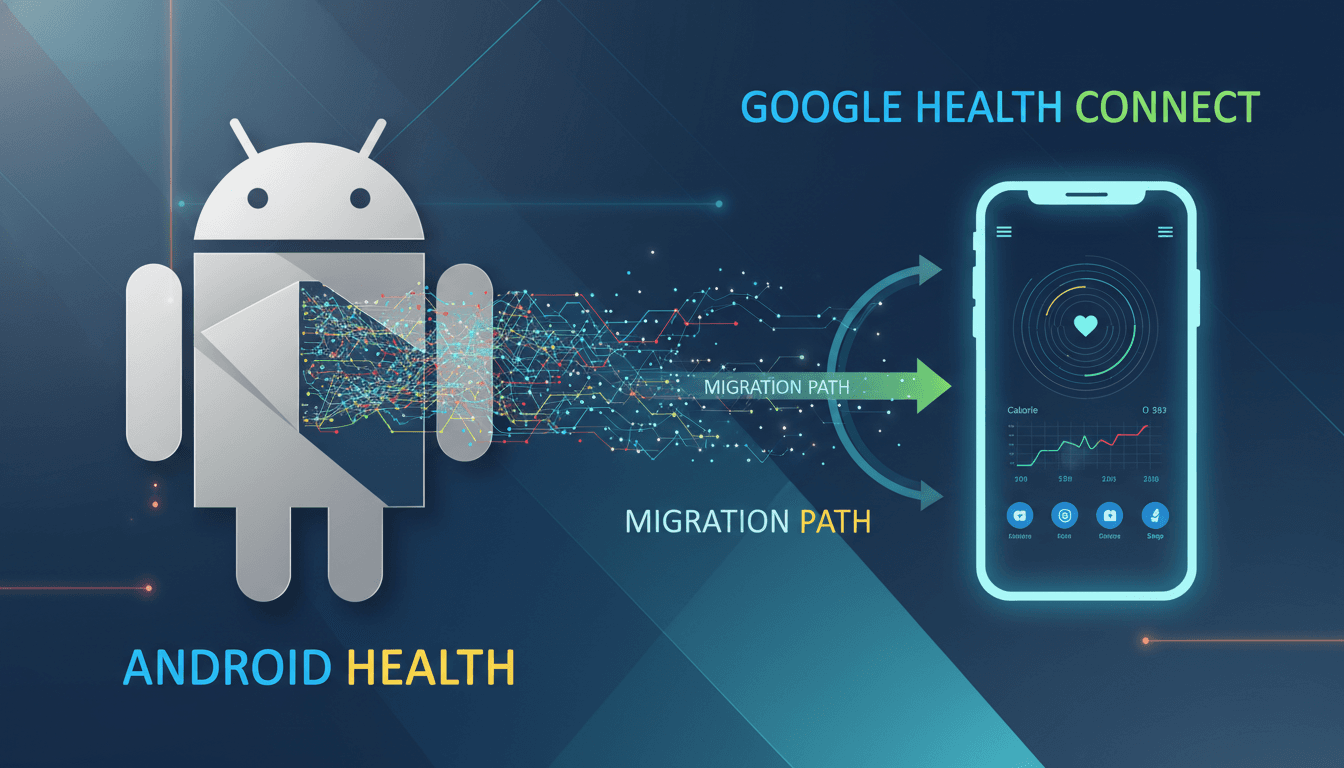
Google Fit APIs shut down on June 30, 2025. If your Android health or fitness app relies on Google Fit for data access, you have a hard deadline approaching.
Health Connect is the replacement. It's not just a rebranding - it's an architectural shift from cloud-based to on-device data storage, with different APIs, permission models, and integration patterns.
The Shutdown Timeline
May 2024: Google stopped accepting new API sign-ups for Google Fit. June 30, 2025: All Google Fit API services shut down completely. The migration window is shrinking - start now.
What Changes with Health Connect
Data Storage: Google Fit was cloud-based; Health Connect is on-device only, encrypted locally. Permission Model: Google Fit used OAuth; Health Connect uses system-level Android permissions. Account Requirements: Google Fit required Google account; Health Connect needs no account. Platform Availability: Health Connect is built into Android 14+, available via Play Store app for Android 9-13.
Integration Architecture for React Native
Requirements: React Native 0.71+, Android SDK 26+ minimum, custom development build (no Expo Go). The react-native-health-connect library provides the bridge. The Expo config plugin auto-configures native code during expo prebuild.
Handling Android Version Fragmentation
Android 14+: Health Connect is built into the system. Android 9-13: Requires Play Store app installation. Android 8 and below: Health Connect isn't available - your app needs a fallback.
Permission Handling
Permissions are granular by data type - each requires separate read and write permissions. 30-day historical limit applies by default. Background reads require explicit additional permission. Request only what you need - Google's Play Store review scrutinizes health permission requests.
Google Play Store Approval
Health Connect permissions require a declaration form submission to Google Play. Total timeline: 2-3 weeks from submission to production access. Common rejection reasons: requesting unused data types, missing privacy policy, unclear user benefit, insufficient background access justification.
Timeline Planning
Week 1-2: Integration development. Week 3: Testing and edge cases. Week 4-5: Play Store approval. Week 6: Production release. Total: 6 weeks minimum, 8-10 weeks for complex apps.
Key Takeaways
- Start now - 6-week minimum timeline plus buffer for unknowns
- Audit your data needs - some Google Fit features don't have direct equivalents
- Plan for Play Store approval - 2-3 weeks of waiting built into timeline
- Test on real devices - emulator support is limited
- Handle version fragmentation - different code paths for Android 14+ vs. 9-13
If you need help with the Health Connect migration or any aspect of mobile health integration, reach out to NextBuild.