Real-world notes for founders navigating the messy road from idea to launched product.
Enterprise platforms like Braze charge $100K+ for multi-channel orchestration. Startups can achieve 80% of that functionality for under $500/month by building modular stacks with developer-first tools.
OpenAI's o1 doesn't just answer faster—it thinks harder. Here's what 'reasoning models' mean for product strategy, competitive advantage, and what to build next.
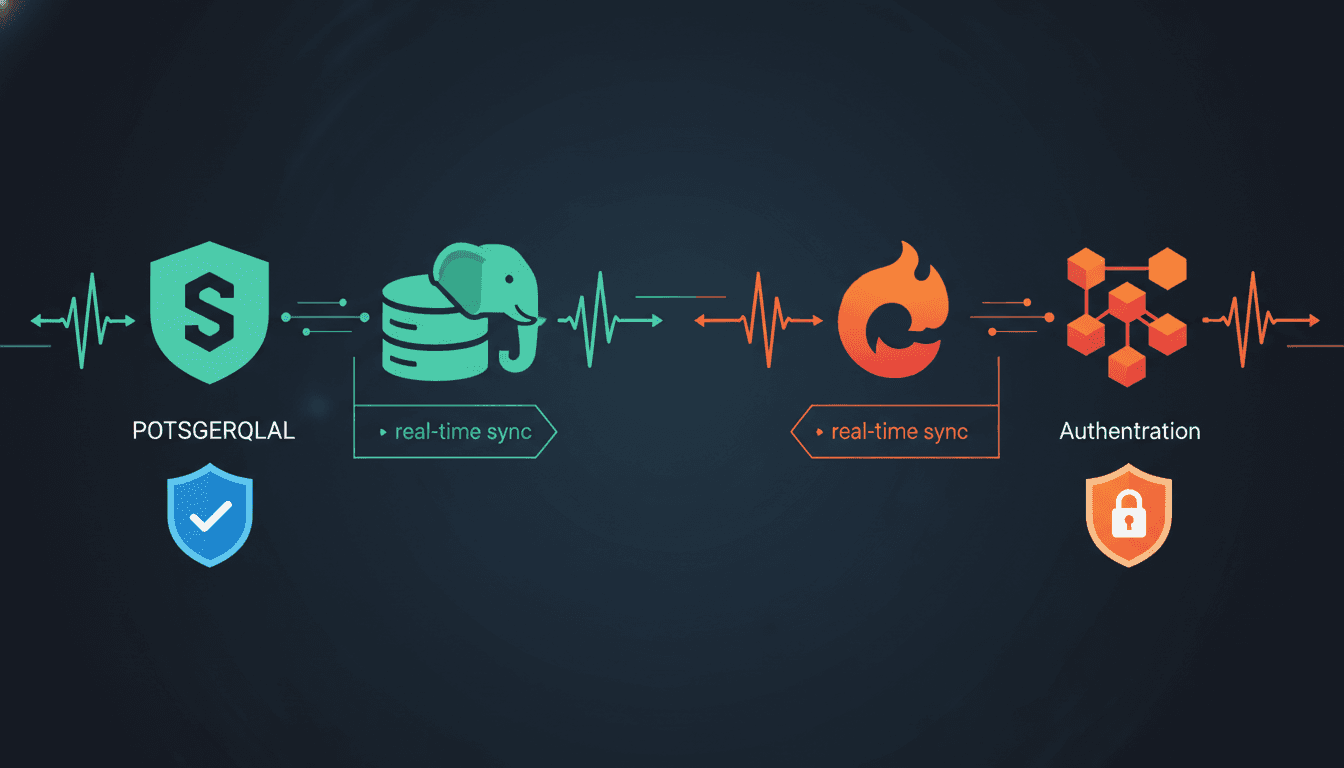
Supabase and Firebase both offer powerful backend solutions, but which is best for your startup? Explore their unique strengths in real-time capabilities, data handling, and developer tools.
Vendor lock-in costs more than you think. A framework for evaluating platform risk, calculating exit costs, and knowing when lock-in is worth accepting.
Your API isn't infrastructure—it's a competitive moat and distribution channel. Here's why API-first architecture matters even for MVPs.
Most 'essential tools' lists are marketing. Here's what you actually need to run a startup: 7 tools, $0-50/month, zero bloat.
Progressive Web Apps are no longer the budget alternative to native apps—they're often the smarter choice. Here's the 2026 framework for making the right call.
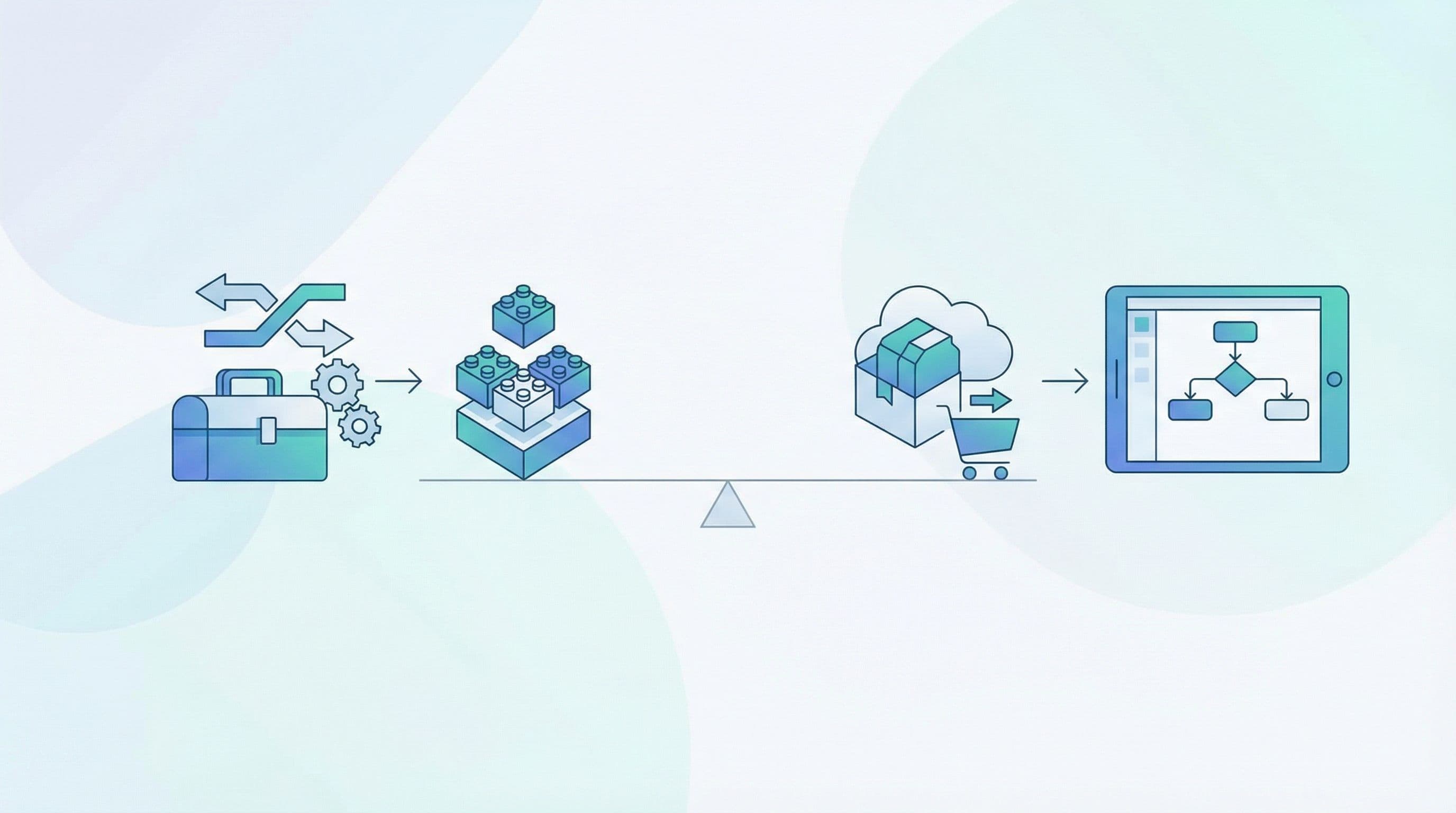
The martech landscape now has 15,384 commercial solutions. Yet companies still spend $100K+ building custom marketing automation. Here's when each approach actually makes sense for your business.
Plaid dominates financial data aggregation conversations, but MX offers superior data enrichment, Finicity excels at lending workflows, and Akoya provides the cleanest regulatory story.